How Creatives Can Monetize Their Influence Without Selling Out
Creativity Meets Capital — November 4, 2025


The Fine Line Between Influence & Integrity
In today’s world, creativity is currency.
Artists, designers, and filmmakers are no longer just creating for the sake of art—they are building brands, attracting audiences, and influencing culture.
And with that influence comes opportunity.
💰 Brands want to work with creatives who have strong, engaged audiences.
🤝 Partnerships are becoming a major revenue stream for independent creatives.
⚖️ But the biggest challenge? Monetizing without losing creative integrity.
In this issue, we’re diving into how creatives can leverage brand partnerships, sponsorships, and collaborations—while staying true to their vision.
How Creatives Can Monetize Their Influence Without Selling Out
1.) The Rise of Brand Collaborations in the Creative Industry
What’s happening?
More brands are investing in authentic collaborations with artists, filmmakers, and designers.
Luxury fashion brands are partnering with independent artists for capsule collections.
Film studios are collaborating with digital creators to promote new releases.
Corporate brands are hiring creatives for storytelling & brand identity.
Example: Nike’s collaborations with visual artists like Tom Sachs and Virgil Abloh turned art-driven sneakers into billion-dollar cultural assets.
Your Takeaway: If you have a strong creative voice and an audience, brands will want to work with you. The key is knowing how to structure partnerships strategically.
2.) When to Say Yes (And When to Say No) to Brand Deals
How do you decide which partnerships are right for you?
📌 Say YES if the brand…
✅ Aligns with your personal values & creative vision.
✅ Gives you creative control over how your work is used.
✅ Compensates you fairly and transparently.
📌 Say NO if the brand…
❌ Doesn’t respect your artistic integrity.
❌ Wants creative control that misrepresents your work.
❌ Offers “exposure” instead of real compensation.
Example: Filmmaker Ava DuVernay turned down multiple brand deals before partnering with Ben & Jerry’s on a social impact-driven campaign.
Your Takeaway: Not all money is good money. The best partnerships enhance your creative identity—not dilute it.
3.) Different Ways to Monetize Your Influence as a Creative
Brand partnerships aren’t one-size-fits-all. Here are different ways to structure them:
1. Creative Collaborations (Fashion, Film, Art)
Example: A fashion designer partners with an artist for a limited-edition clothing collection.
Why it works: Both parties benefit from audience crossover & shared brand equity.
2. Licensing Deals (Passive Income from Your Work)
Example: A filmmaker licenses their footage to a commercial brand for advertising.
Why it works: You get paid royalties every time your work is used—without giving up ownership.
3. Sponsored Content & Social Media Partnerships
Example: A designer gets paid to share behind-the-scenes content of a fashion brand’s campaign.
Why it works: You monetize your audience without having to create new products.
4. Creative Consulting & Brand Strategy
Example: A creative entrepreneur advises brands on how to integrate storytelling & culture into marketing.
Why it works: You get paid for your expertise, not just your output.
Example: Designer Virgil Abloh didn’t just create products—he worked as a cultural strategist, helping brands integrate art, music, and design.
Your Takeaway: Your creativity isn’t just valuable in artistic spaces—it’s valuable in business, too.
🔦 Spotlight on a Visionary: A Creative Who Mastered Brand Partnerships
📌 Kimberly Drew, Art Curator, Writer, & Cultural Strategist
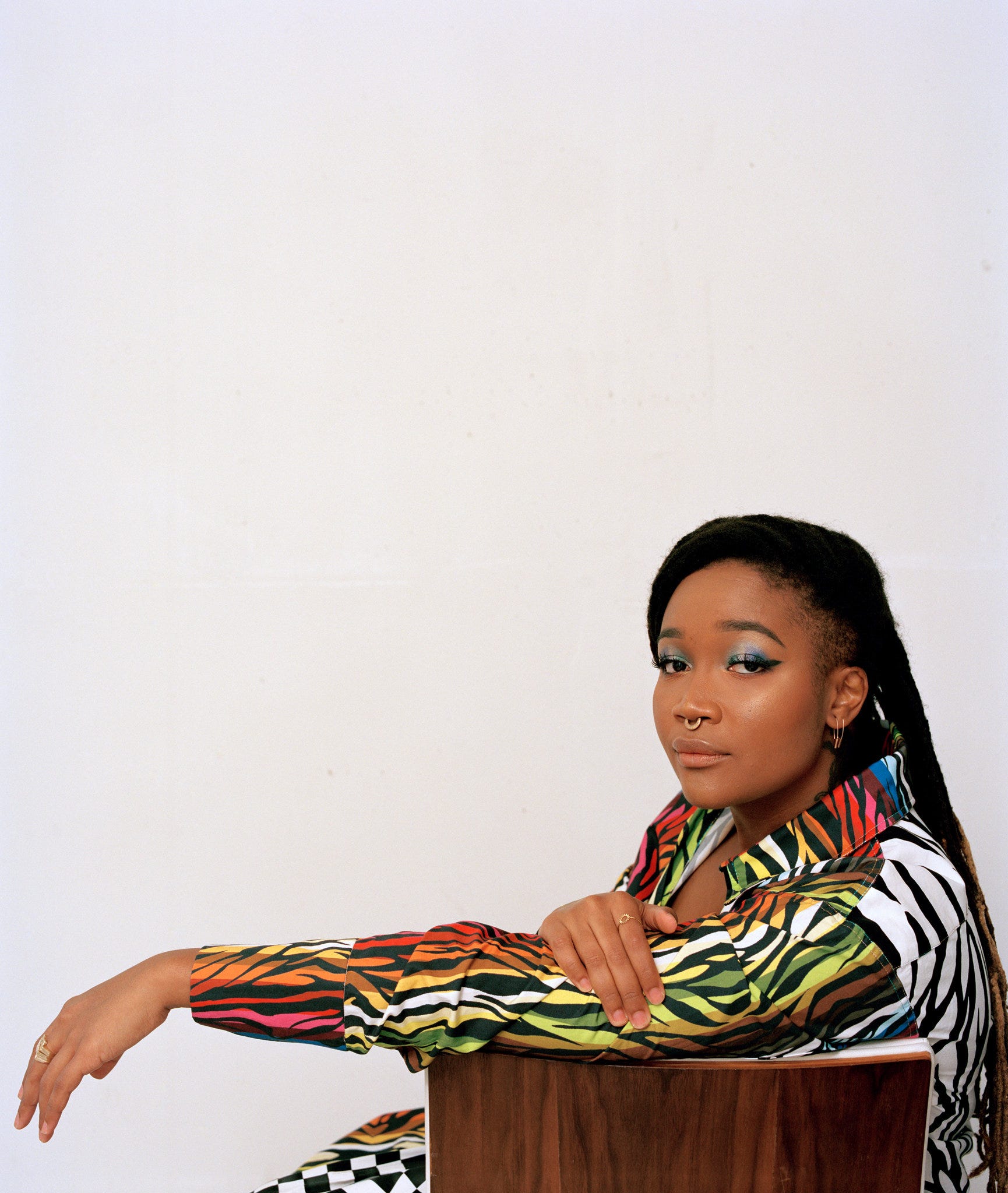
Meet Kimberly Drew, the art curator, writer, and cultural strategist known for transforming creative partnerships into a sustainable and purpose-driven career.
Kimberly (also known as @museummammy) has built a powerful career at the intersection of art, social justice, and digital influence—collaborating with brands like Prada, Instagram, Gucci, and The Met, all while maintaining a clear boundary around her personal values and mission.
How She Structured Her Deals:
Kimberly’s approach centers on alignment, not just visibility. She:
Vet brands for shared values before engaging
Requires creative autonomy in how her name and work are used
Often includes educational and activist components to her collaborations (e.g., Black Futures project with NYPL and co-curation roles)
She’s turned her expertise in curatorial storytelling and digital culture into long-term consulting, publishing, and brand collaboration deals—without sacrificing her voice or vision.
The Biggest Challenge She Faced:
Fending off “aesthetic-only” partnerships that wanted her image without her intellect. Kimberly built boundaries early on, insisting that brands treat her as a creative strategist, not just an influencer.
Quote from Kimberly Drew:
“I realized early that visibility wasn’t the goal—impact was. I wanted to work with brands that cared about more than the mood board.”
Her story is a blueprint for creatives who want to collaborate without compromising their integrity.
📌 Know another founder who’s navigated brand deals successfully? I’d love to spotlight them in an upcoming issue—hit reply and share!
📌 Resources & Opportunities for Creatives Looking for Brand Deals
📌 Know of an upcoming opportunity for creatives? Reply and share it with the community!
📩 Let’s Talk About It!
Have you ever worked with a brand? What was your experience? Did it help or hurt your creative business? Reply and share your insights—I’ll feature the best responses in an upcoming issue!
🚀 See you in the next edition of Creativity Meets Capital!
💡 Nina Orm
🎨 Cultural Investor | Founder, The Agora Fund & Orm Muse Collective
📩 Subscribe for more: Creativity Meets Capital
Hey Nina! I’m really loving your writing on this. I’m curious what opportunities you see for musicians and brands?