Planning Your Creative Career & Finances for 2026
The Best Investment You Can Make Is in Yourself

A creative career isn’t built on talent alone—it requires strategy, financial discipline, and long-term planning.
As we head into 2026, ask yourself:
Do you have a financial roadmap for your creative work?
Are you setting yourself up for financial independence—or financial stress?
What investments (in yourself, your business, or your brand) will create the most growth?
The creatives who thrive don’t wait for opportunities to come to them—they plan, structure, and position themselves for success.
This issue breaks down how to set financial goals for your creative career and the practical steps to prepare for growth & investment in 2026.
How to Set Financial Goals as a Creative Entrepreneur
Step One: Define Your Financial Vision for 2026
What does financial success look like for you?
Do you want to scale your creative business and hire a team?
Are you looking to secure funding or investment?
Do you want to shift from freelancing to building long-term passive income?
Example: A designer who started with commission work in 2025 might aim to launch a full product line in 2026.
Start with the big picture—where do you want to be financially by the end of next year?
If you’re building something big this season and want a strategist in your corner, you can work with me here:
(Back to the essay ↓)
Step Two: Build a Financial Plan That Supports Your Creative Growth
Even if you’re not an accountant, you need to understand your numbers.
Track your revenue & expenses – Know exactly where your money is coming from and where it’s going.
Set income goals – How much do you need to make monthly to support your creative business?
Identify gaps – Are you relying too much on one revenue stream?
Example: An independent filmmaker planning a 2026 project should budget for pre-production, marketing, and potential distribution deals.
Financial clarity leads to smarter decisions—make a habit of tracking and planning.
Step Three: Diversify Your Income for Stability & Growth
One of the biggest mistakes creatives make? Relying on a single income stream.
For artists: Sell originals, prints, and digital licensing.
For filmmakers: Secure multiple funding sources (grants, investors, streaming deals).
For designers: Offer custom work, product drops, and brand collaborations.
Example: Many successful designers don’t just sell clothes—they license their designs, collaborate with brands, and create digital assets.
A creative career is most sustainable when you have multiple revenue streams.
If you’re ready to bring clarity, structure, and strategy into your creative business, my Foundation Advisory is a perfect starting point.
Step Four: Position Yourself for Funding & Investment in 2026
Are you ready to take your creative business to the next level?
If you want VC or angel investment: Work on scalability, brand positioning, and audience growth.
If you want grant funding: Research deadlines early and prepare applications in advance.
If you want business loans or sponsorships: Strengthen your financial records and pitch materials.
Example: Fashion startup Hanifa leveraged brand growth, media attention, and investor interest to secure funding for international expansion.
Funding is competitive—preparation is everything. Start positioning yourself now.
🔦 Spotlight on a Visionary: A Creative Who Planned for Growth & Succeeded
📌 Brandon Blackwood, American Fashion Designer
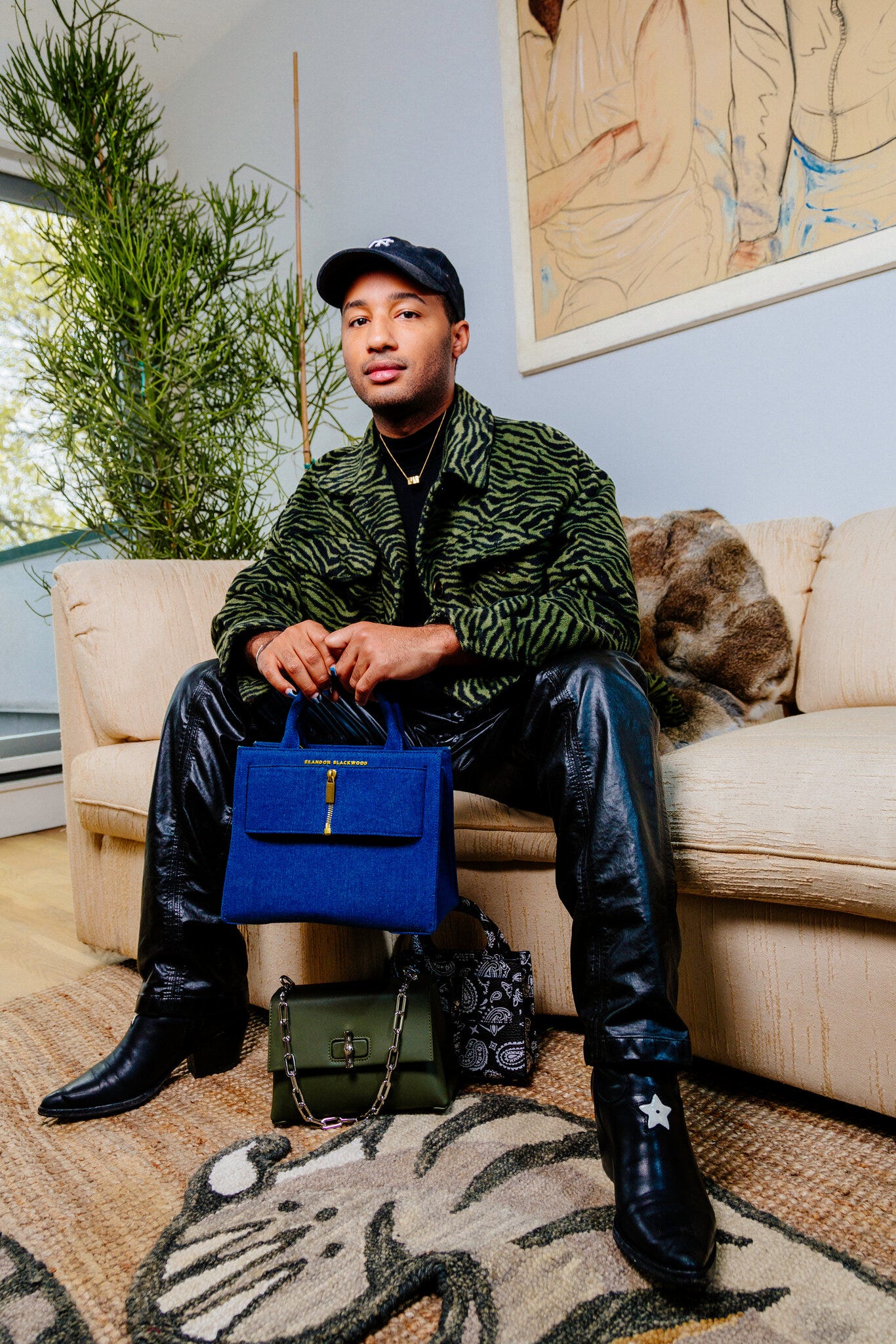
Meet Brandon Blackwood, the designer who redefined what it means to scale as an independent fashion entrepreneur. From the viral “End Systemic Racism” bag to nationwide retail partnerships, Brandon didn’t just chase virality—he built structure.
How he planned his finances for growth:
Brandon reinvested early profits into supply chain development and kept operations lean while building brand equity through storytelling and smart collaborations.
The biggest financial move that changed his career:
Securing retail distribution at Nordstrom and Saks Fifth Avenue, paired with brand licensing opportunities and strategic social media growth.
Key takeaway for creatives planning for 2026:
Sustainability requires systems. Don’t wait for capital—build a business investors would want to fund by default. Prioritize margins, audience loyalty, and operational clarity from the start.
📌 Know a creative who set and achieved major financial goals? Reply and let me know!
📌 Resources & Opportunities for Financial & Career Planning in 2026
🔹 [Financial Literacy for Creatives] – A step-by-step guide to managing and scaling your money
🔹 How to Structure a Creative Business for Growth – Free course
📌 Know of an upcoming funding opportunity? Reply and share it with the community!
If you want to stop building alone and start building with clarity, I’m taking on a few new clients this month.
Fractional Founder Pass • Lite Retainer • Premium Retainer
Book your call or apply here: cal.com/ninaorm
Your next chapter deserves structure.
📩 Let’s Talk About It!
What’s your biggest financial goal for 2026? Reply and share your insights—I’ll feature the best responses in an upcoming issue!
🚀 See you in the next edition of Creativity Meets Capital!
💡 Nina Orm
🎨 Cultural Investor | Founder, The Agora Fund & Orm Muse Collective
📩 Subscribe for more: Creativity Meets Capital