The Creative Pricing Blueprint: How to Charge for Vision

Most creatives do not undercharge because they lack confidence.
They undercharge because they are pricing the wrong thing.
Creative pricing breaks down when vision is treated as a byproduct rather than the core asset. Time becomes the proxy. Deliverables become the defense. Effort becomes the explanation.
None of these capture what clients are actually buying.
They are buying judgment.
They are buying direction.
They are buying the ability to see further, faster, and more clearly than they can on their own.
Vision is not intangible, just mispriced.
Why Time-Based Pricing Fails Creatives
Hourly pricing assumes that value increases linearly with effort.
Creative work does not behave this way.
A single insight can collapse months of uncertainty.
A reframed strategy can redirect an entire organization.
A well-timed decision can prevent millions in downstream waste.
Time-based pricing penalizes:
experience
pattern recognition
speed earned through repetition
strategic restraint
It rewards inefficiency and obscures impact.
If your value increases as your execution becomes cleaner and faster, time becomes the least honest metric available.
What Clients Are Actually Paying For
When clients hire creatives, they are rarely paying for output alone.
They are paying for:
taste under pressure
decision-making in ambiguity
the ability to edit rather than add
protection from costly missteps
coherence where there was fragmentation
These are risk-reducing functions.
Pricing that ignores risk transfer will always feel misaligned.
There’s a moment every creative reaches where passion alone stops being enough.
March’s Patron Office Hours are for people in that moment — when the work is real, the stakes are higher, and sustainability matters more than vibes.
If you’re building something you want to still exist in five years, come to the room where we talk about how.
The Creative Pricing Blueprint
Charging for vision requires a structural shift. This blueprint reframes pricing around value creation rather than labor delivery.
1. Price the Decision, Not the Deliverable
Deliverables are containers. Decisions are the asset.
Instead of anchoring price to what is produced, anchor it to:
what becomes clearer
what moves faster
what no longer needs to be done
what future decisions are unlocked
This reframing immediately elevates the work from execution to intervention.
Clients pay more readily for decisions that shape outcomes than for artifacts that merely document them.
2. Tie Pricing to Stakes, Not Scope
Scope defines effort.
Stakes define value.
Two projects with identical deliverables can justify vastly different pricing depending on:
revenue impact
reputational exposure
strategic importance
opportunity cost of getting it wrong
Pricing vision requires asking:
What does this decision protect or enable?
When pricing is aligned with stakes, it feels grounded rather than arbitrary.
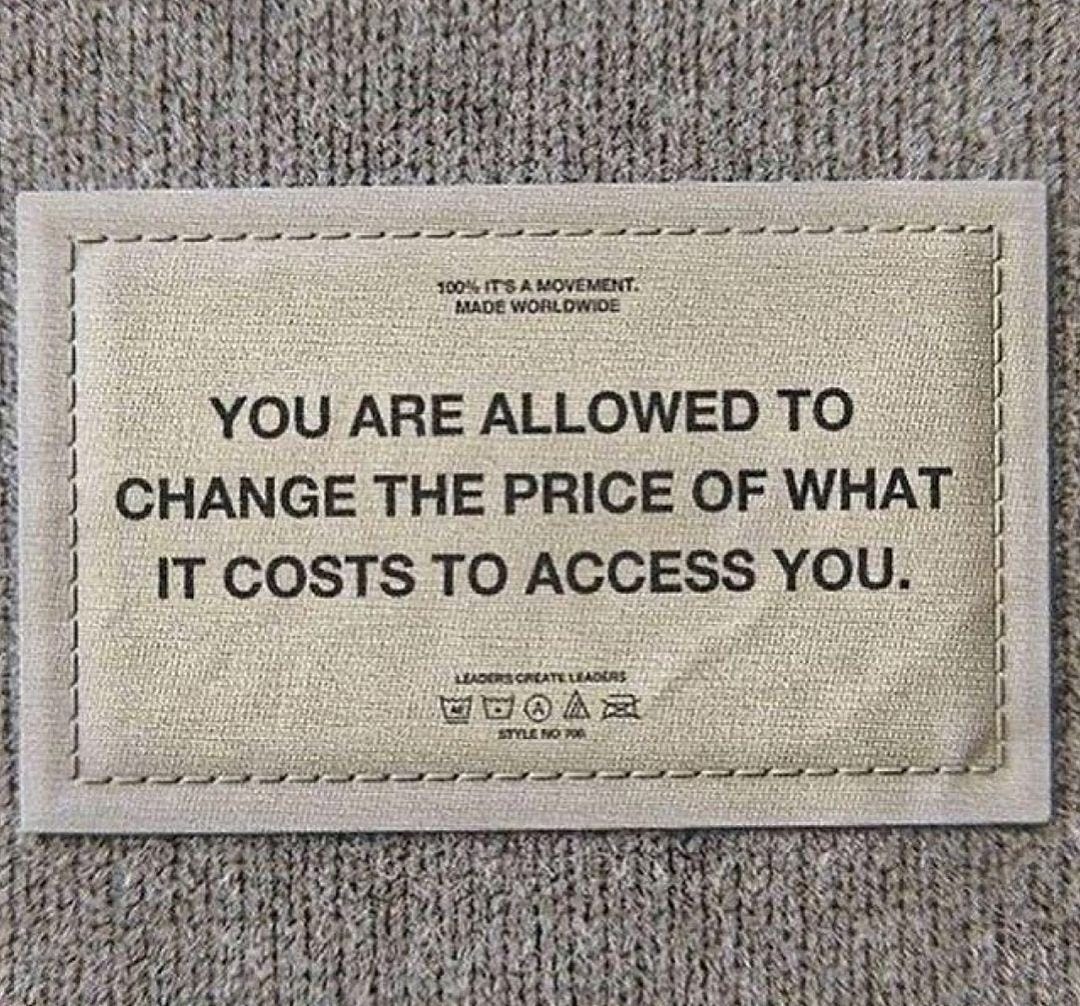
3. Separate Access From Output
One of the most common creative pricing errors is bundling unlimited access into finite work.
Access is not free. Access is a premium resource.
Vision-driven work often requires:
proximity to decision-makers
real-time judgment
ongoing calibration
responsiveness during inflection points
This should be priced explicitly.
Separating access from output clarifies boundaries—and prevents quiet overdelivery.
March Patron Office Hours are for you if:
your “side project” is demanding real structure
you’re tired of winging it
you want systems that support creativity, not suffocate it
This is where passion turns into infrastructure.
4. Design Offers That Reflect Maturity
As creatives evolve, their pricing must reflect a shift in role.
Early-stage offers emphasize execution.
Mature offers emphasize direction.
This evolution is marked by:
fewer deliverables
higher trust
longer time horizons
greater autonomy
If your pricing still reflects who you were at an earlier stage, friction is inevitable.
The market senses misalignment even when it cannot name it.
5. Let Pricing Signal Positioning
Pricing is a form of communication.
Low prices signal:
abundance of availability
interchangeable skill
tactical orientation
Higher prices—when supported by clarity—signal:
selectivity
strategic posture
confidence in outcomes
long-term thinking
Pricing does not need to be justified verbally when it is positioned correctly structurally.
Explanations decrease as alignment increases.
Why Charging for Vision Feels Uncomfortable
Vision is invisible until it works.
This creates psychological tension:
fear of being misunderstood
pressure to over-explain
temptation to discount to avoid friction
But discomfort is not a signal of mispricing.
It is often a signal of transition.
Creatives feel discomfort when they stop pricing effort and start pricing authority.
Authority requires inhabiting—not defending.
P.S. Many people attend Office Hours right before they formalize their business or step into deeper advisory. If you’re sensing that shift, March is the right room.
The Role of Restraint in Pricing
One of the most overlooked aspects of pricing vision is restraint.
Not every inquiry deserves a proposal.
Not every budget deserves accommodation.
Vision-driven pricing requires:
selective entry points
clear criteria
willingness to walk away
Walking away is pricing integrity in motion.
The Long View
Charging for vision is not about extracting more from clients.
It is about aligning compensation with contribution.
When pricing reflects:
judgment rather than labor
impact rather than activity
direction rather than deliverables
the work becomes sustainable.
Vision compounds.
Burnout does not.
Creatives who price correctly build businesses that last—not because they work harder, but because their value is finally legible.
The blueprint is accurate. And accuracy, over time, becomes leverage.