The Digital Renaissance: How Web3 and AI Are Reshaping Creative Capital
By Nina Orm, The Agora Fund

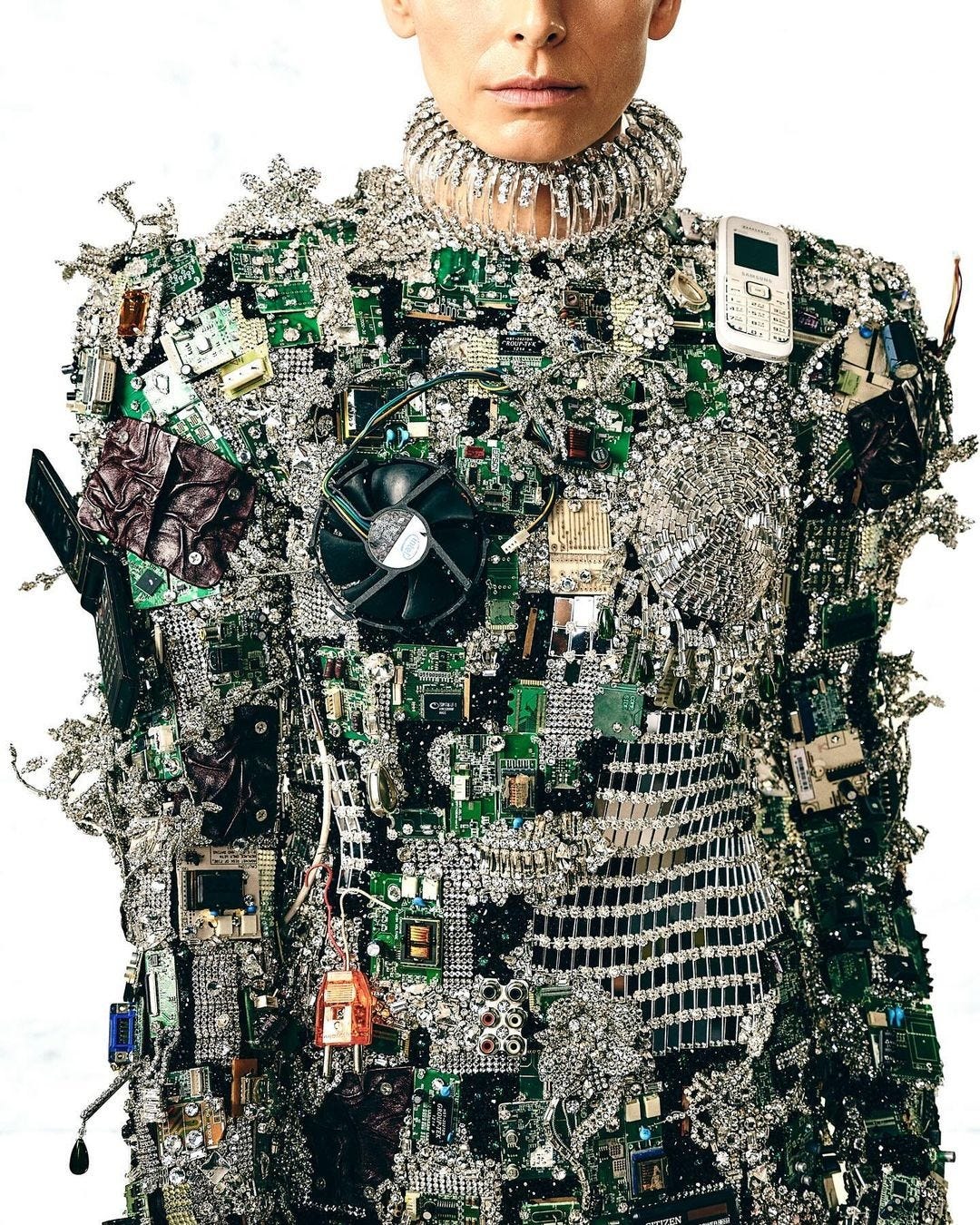
The Renaissance wasn’t just a period of artistic flourishing—it was a financial reordering. The Medici didn’t just fund frescos and symphonies out of sentiment; they rewired the very infrastructure of patronage, birthing the blueprint for modern investing in the arts.
Today, we find ourselves at the precipice of another cultural reordering—this time not in the marble halls of Florence, but in the code, contracts, and consciousness of the digital world.
Welcome to the Digital Renaissance.
Where art isn’t just painted—it’s minted.
Where creators don’t just perform—they own.
Where artificial intelligence isn’t the enemy of imagination—it’s its new collaborator.
And yet, venture capital has been slow to understand the stakes.
At The Agora Fund, we see this clearly: Web3 and AI are not threats to the creative economy—they are the terrain on which its future is being built.
The Web3 Paradigm: Ownership Reclaimed
Let’s begin with the revolution that blockchain made possible—not cryptocurrency, not meme coins, but provenance.
For the first time in digital history, we can track, verify, and exchange creative assets with permanence. A JPEG is no longer ephemeral. A song uploaded online is no longer a vanishing act of labor. A fashion sketch, a digital performance, a meme—these are now tokenized expressions of cultural value.
In other words: NFTs weren’t just hype. They were a warning shot.
A glimpse of what it looks like when creators can own their impact. When they can receive royalties not once, but forever. When scarcity and story are woven back into the economic logic of art.
The marketplaces that once profited from creators’ output without recognition—Spotify, Instagram, TikTok—are being challenged by decentralized platforms where value flows directly to originators, not intermediaries.
This is not merely a financial shift. It is an ideological one.
Web3 returned the keys to the palace.
AI as Medium, Not Threat
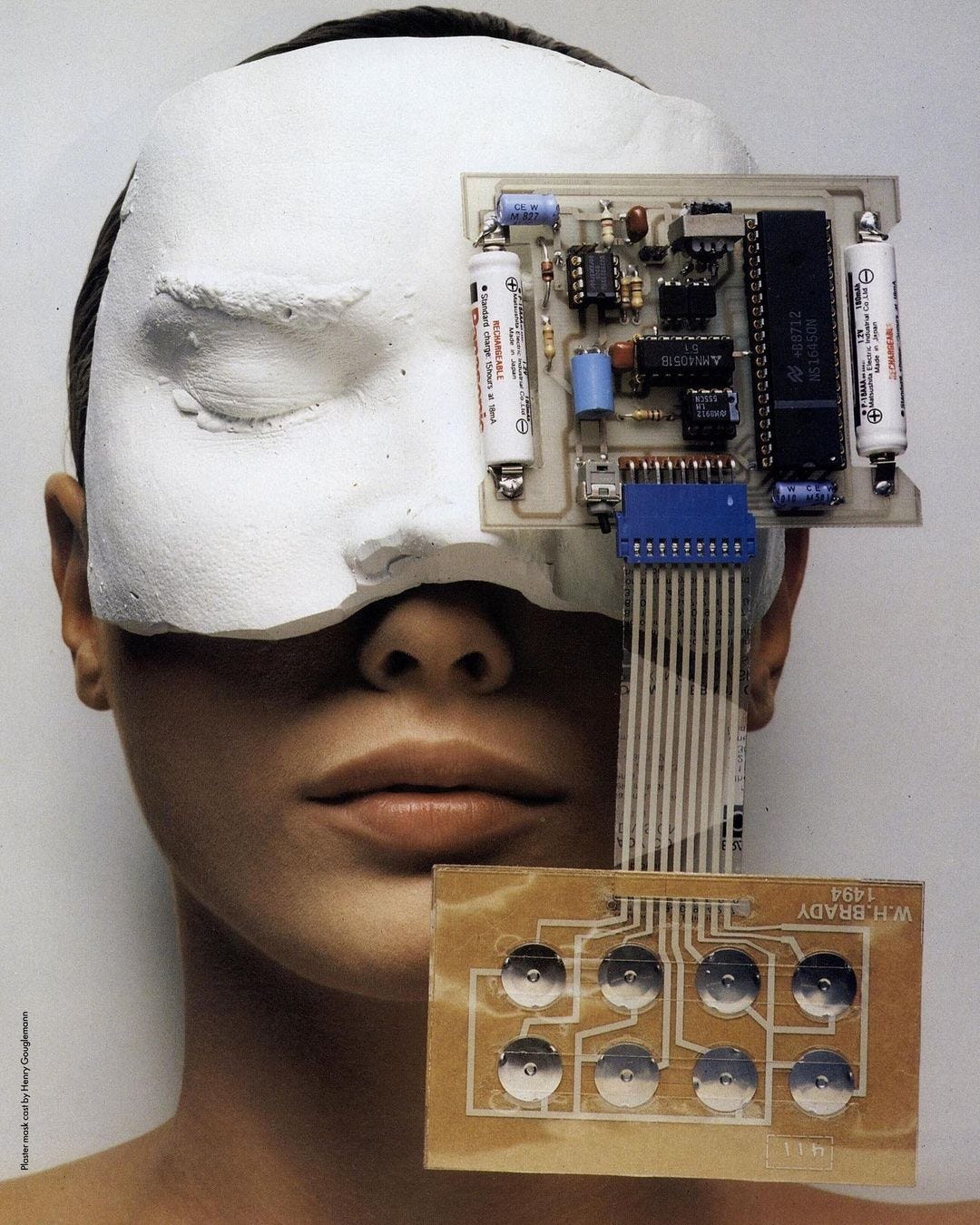
If Web3 gave artists back their ledgers, AI is giving them back their time, their tools, and in some cases—their voices.
Yes, the anxieties are real. Automation. Attribution. Exploitation. But to dismiss AI wholesale is to ignore its revolutionary creative power.
At its best, AI is a collaborator: a sketchpad that never tires, a soundboard trained on centuries of sound, a research assistant that understands nuance and abstraction.
For designers, it’s generating collections in minutes that once took months.
For filmmakers, it’s rendering scenes previously impossible without a studio budget.
For writers, it’s refining tone, expanding scope, and sparking dialogue across languages and formats.
But here’s the catch: AI must be governed by cultural ethics.
Because while it can assist with creation, it cannot hold the weight of lived experience. It cannot translate the intergenerational memory of a diaspora, the grief in a protest, or the cultural resonance of a Black church organ.
That is the domain of the human artist.
AI is the paintbrush. The artist is still the hand.
Creative Capital in the Age of Tech
The convergence of blockchain and AI isn’t just remapping tools—it’s redrawing the value chain.
Traditionally, creative capital flowed in one direction: from creator to institution to consumer. Web3 and AI make that relationship circular. Interactive. Communal. Token-based economies, DAO-funded projects, co-ownership models—these innovations are dismantling gatekeeping and rebuilding creative industries on community trust.
So why hasn’t venture capital fully caught up?
Because traditional VCs are trained to evaluate repeatability, not originality. They’re fluent in ARR and churn, but illiterate in cultural virality and narrative fidelity.
This is where The Agora Fund is fundamentally different.
We believe in:
Funding digital artists before galleries validate them
Backing AI-native creators with authorship protection baked in
Supporting Web3-native studios, platforms, and curators redefining what ownership looks like
We don’t invest in the tools themselves—we invest in the creators who use them to build worlds.
Risk in the New Agora
Let’s be honest: there is risk. The digital art bubble popped. AI lawsuits are piling up. Web3 platforms rise and fall with each bear market.
But so did the Medici’s ledger. So did postwar American art markets. So did early venture capital in Silicon Valley.
Risk is not new. But what we’re willing to risk for is.
At The Agora Fund, we bet on:
First-movers who use AI to expand—not erase—their creative DNA
Curators building decentralized libraries of marginalized memory
Filmmakers creating work that is born digital, funded by communities, and distributed in immersive formats
This is not a fringe bet. This is the new center.
A New Creative Class Is Rising
The creative founder of 2025 is not waiting for legacy publishers, film studios, or runway invitations. They are:
Writing code as poetry.
Designing in digital-to-physical pipelines.
Generating soundtracks with AI synths and selling them via smart contracts.
Funding their short films through DAOs.
Archiving ancestral languages on-chain.
These are not hypotheticals. These are our portfolio candidates. Our future collaborators. Our new agora citizens.
And they’re not asking for permission.
From Florence to the Feed
History will not look back at this moment and ask whether AI or Web3 were safe.
It will ask whether we were bold enough to shape them into instruments of equity, access, and imagination.
This is our Florence.
This is our agora.
And this time, the renaissance is decentralized.
The Agora Fund exists to ensure it is also just, inclusive, and wildly generative.
We’re not waiting for the old world to catch up.
We’re funding the new one.
—
Published by The Agora Fund’s Founding Partner, Nina Orm
Originally published on The Agora Fund’s blog ‘The Agora Journal’ on November 9, 2025.