Cash Flow ≠ Profit
Business finance basics creatives miss

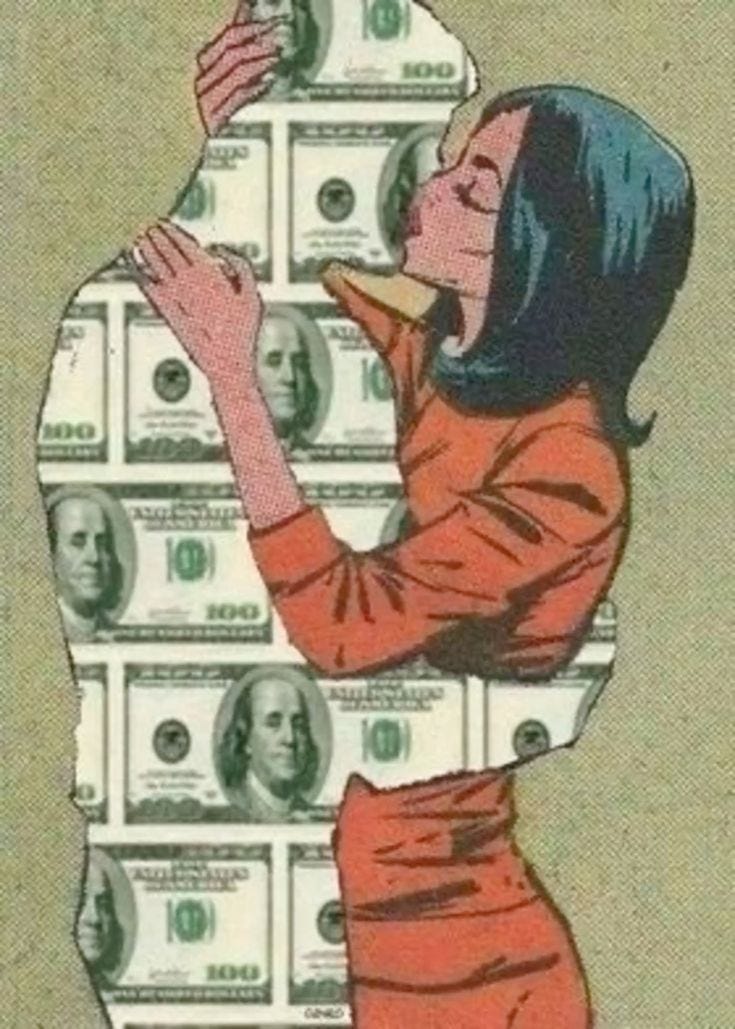
One of the most common—and costly—mistakes creative founders make is assuming that money moving through the business means the business is healthy.
It does not.
Cash flow and profit are related, but they are not interchangeable. Confusing the two leads to premature spending, false confidence, and businesses that look successful on the surface while quietly eroding underneath.
This misunderstanding is a result of a literacy gap—one that traditional creative education rarely addresses, but also why this publication exists.
What Cash Flow Actually Tells You
Cash flow answers a narrow question: is money entering the business faster than it is leaving, right now? It tracks timing, not truth.
A business can have strong cash flow because a large client paid upfront, a grant or advance arrived, a seasonal surge hit, or invoices were collected all at once. Cash flow is about movement. It does not ask whether the business model is sound, sustainable, or even viable long-term.
That is why cash flow feels good, and why it can be misleading.
What Profit Actually Measures
Profit answers a different question: after everything it costs to run this business, what is actually left?
This includes operating expenses, labor—including your own, whether paid or not—tools, subscriptions, and overhead, taxes and compliance costs, and depreciation and long-term obligations.
Profit is structural. It reveals whether the business creates surplus after sustaining itself.
Consider a photographer who bills $8,000 a month and feels, reasonably, like business is good. But once she prices in the twelve unpaid hours a week she spends on editing, client communication, and administration—work she would otherwise have to pay someone else to do—her effective revenue against true labor cost tells a different story. The cash is real. Whether it constitutes profit depends on whether her own time was ever actually priced into the number.
You can be cash-flow positive and profit-negative for a long time—especially in creative industries where labor is underpriced and founders absorb hidden costs.
I don’t believe in starving artists.
I believe in under-structured ones.
The difference between creative struggle and creative success is rarely talent—it’s systems, pricing, and clarity.
The Capital Studio is where we build that together.
Next cohort begins September 9, 2026.
If you’re ready to move like an owner, not just a creative, you should be in this room.
The Creative Trap: “It’s Working, I’m Busy”
Many creatives equate busyness with success, and the mistake is an easy one to make: projects are booked, payments are coming in, the calendar is full. But when you step back, something feels off—there’s no cushion, no clarity, no sense of accumulation.
This is often because pricing does not reflect true costs, labor intensity scales faster than revenue, growth increases complexity without increasing margin, and founders subsidize the business with their own unpaid labor.
Cash flow masks these issues whereas profit exposes them.
Why This Distinction Matters
Understanding the difference between cash flow and profit changes how you make decisions. Without it, founders spend money that isn’t truly surplus, scale before the model can support it, confuse one good month with sustainability, and delay structural fixes because “things look fine.” With it, founders can price work accurately, decide which projects are actually worth doing, know when growth helps versus hurts, and build businesses that survive quiet periods.
This is the difference between momentum and durability. Cash flow keeps you alive. Profit allows you to choose. Cash flow lets you operate month to month; profit lets you invest, rest, renegotiate, and say no.
A business without profit is not immoral or broken—but it is constrained. It relies on constant motion to survive. That is exhausting, and it is fragile. Creative work deserves better architecture than that.
A Simple Way to See the Truth
Ask yourself two questions, separately.
If no new money came in for three months, what would break first? That’s a cash flow question.
If you paid yourself fairly for your time, would this business still make money? That’s a profit question.
Most creatives avoid the second because it is uncomfortable. Avoiding it does not make it go away. It only postpones the reckoning.
If your creative work is strong—but the business feels scattered—this is where we fix that.
The Creative Business Diagnostic is a 75-minute deep dive into your brand, business model, and monetization, followed by a 12-week action plan tailored to your goals.
This is for creatives who are done guessing and ready to build with intention.
Why Creatives Are Especially Vulnerable
Creative businesses often blur lines that other industries keep separate: personal and business finances mix, unpaid labor feels normal, passion substitutes for margin, and success gets measured in visibility rather than surplus. This makes it easy to mistake activity for health.
But markets do not reward effort. Instead, models that produce excess value after costs bear the riches you seek. Profit is evidence that the business model works.
What to Track Going Forward
Instead of asking only “did money come in,” start tracking profit per project rather than just total revenue, your effective hourly rate including unpaid time, margin by offer or client type, and how costs scale as work increases.
These metrics are not meant to kill creativity. I’m serious. Tracking those metrics create the armor to protect your creativity!
Final Thought
Many creative founders fail not because their work lacks value, but because they mistake circulation for sustainability. Cash flow tells you whether the lights are on. Profit tells you whether the house is sound.
Learn to read both.
If you want personalized insight into how these ideas apply to your work, there are several ways to work with me through Creativity Meets Capital—from 1:1 strategy calls to ongoing advisory.


