Creative Distribution: Why Creativity Needs Channels

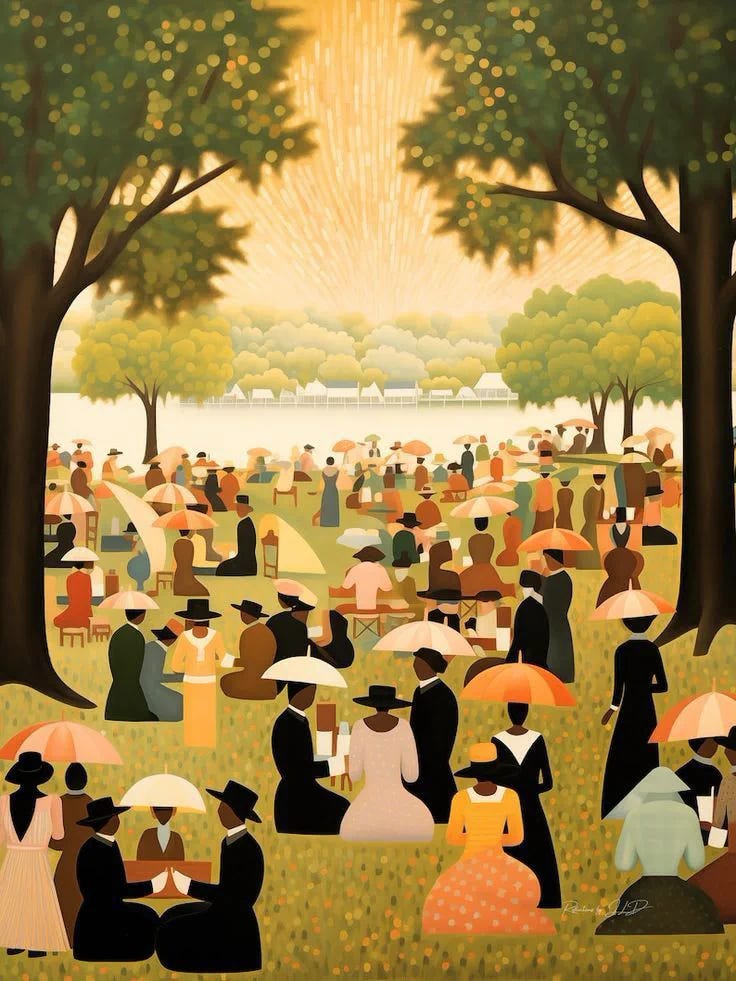
In the spring of 1874, a small group of artists rented the former studio of the photographer Nadar on the Boulevard des Capucines in Paris. Frustrated by repeated rejection from the official Salon—the institution that largely determined which artists deserved public attention—they organized an independent exhibition of their own.
The exhibition was mocked.
A critic derisively referred to one of the paintings, Claude Monet’s Impression, Sunrise, as nothing more than an “impression,” intending the word as an insult. The label stuck. The artists became known as the Impressionists.
Today, those same paintings anchor the collections of the world’s most prestigious museums.
The paintings changed very little.
The distribution did.
The history of art is often told as the history of great creators.
Just as often, it is the history of great channels.
Because creative work does not become culturally significant the moment it is made. Cultural significance begins when people encounter it, debate it, collect it, teach it, preserve it, and pass it to the next generation.
That distinction matters more today than perhaps at any other moment in history.
Digital technology has dramatically lowered the barriers to creation. Millions of people can now publish photographs, essays, films, music, and ideas with unprecedented ease. Yet abundance has produced a new scarcity.
Attention.
For creative founders, artists, and cultural institutions alike, the defining question is no longer simply “Can I make something worth sharing?”
It is:
“Can I build the channels that allow meaningful work to travel?”
Because creativity has never been enough. (Unfortunately)
Distribution has always been part of the work.
I don’t believe in starving artists.
I believe in under-structured ones.
The difference between creative struggle and creative success is rarely talent—it’s systems, pricing, and clarity.
The Capital Studio is where we build that together.
The next cohort begins September 9, 2026.
If you’re ready to move like an owner, not just a creative, you should be in this room.
We Have Always Mistaken Visibility for Merit
One of the most persistent myths in the creative industries is that exceptional work naturally finds its audience.
The belief is understandable. It appeals to our sense of fairness. We want to believe that quality ultimately triumphs over circumstance—that if a painting is extraordinary, a novel beautifully written, or a film deeply moving, recognition will inevitably follow.
History offers a more complicated account.
Vincent van Gogh sold almost no paintings during his lifetime despite producing work that would later transform modern art. Emily Dickinson published only a handful of poems before her death; nearly 1,800 were discovered afterward. Countless musicians, filmmakers, photographers, and designers have experienced similar trajectories—not because their work lacked merit, but because the institutions capable of circulating that work either overlooked them or did not yet exist.
Merit has always mattered.
But merit has rarely been sufficient.
Markets reward visibility.
Institutions shape visibility.
Distribution determines whether visibility becomes influence.
That distinction reframes how we should think about creative careers.
The most successful creators in history were not merely exceptional producers. They also participated—whether intentionally or not—in distribution systems capable of amplifying their work beyond its original moment.
If this piece resonated, consider what it would look like to have strategic support behind your next move. I offer private sessions, intensives, and ongoing advisory for creatives building what lasts. Explore ways to work together by taking the quiz below:
Distribution Is Not Marketing
One of the most common mistakes creative founders make is treating distribution as the final stage of a project.
The work is finished.
Then the marketing begins.
This sequence feels intuitive.
It is also historically unusual.
The Medici family’s patronage network influenced what Renaissance artists painted because distribution preceded creation. Newspaper editors shaped journalism through editorial selection before stories reached readers. Hollywood studios determined which films audiences could see long before opening weekend. Even contemporary streaming platforms influence production decisions through algorithms that privilege particular formats, genres, and viewing behaviors.
Distribution has never been an afterthought.
It has always shaped creation itself.
Marketing asks:
“How will people discover this?”
Distribution asks a much broader question:
“How does this work move through society over time?”
That movement depends on far more than promotion.
It depends on ownership.
Accessibility.
Preservation.
Institutional legitimacy.
Recommendation networks.
Archives.
Education.
Collecting.
Each functions as a channel through which culture circulates.
Nina Orm is the founder of Creativity Meets Capital, a media and advisory firm at the intersection of culture, creativity, and commerce. Reach her at nina@creativitymeetscapital.com. For partnership inquiries and speaking engagements fill out the form below:
Before You Learn Another Financial Strategy

We spend a remarkable amount of time learning what to do with money.
This Week in Culture & Capital | June 7–14, 2026

Welcome to This Week in Culture & Capital—your weekly briefing on the stories shaping the business behind creativity. If you missed the room, here's what mattered.

Cash Flow ≠ Profit

One of the most common—and costly—mistakes creative founders make is assuming that money moving through the business means the business is healthy.